The body rarely holds tension in only one place. What feels like stiffness in the neck, pulling through the low back, or heaviness in the hips often reflects a larger pattern involving posture, movement habits, old strain, and the way the body has learned to compensate over time. Structural Integration in Chicago, IL can help patients look beyond the single area that feels tight and understand how different parts of the body are working together under stress. When structural work is planned well, the goal is not only to create temporary relief, but to improve alignment, reduce repeated strain, and help the body move with more ease and less effort in daily life.
What A Structural Integration Assessment Should Clarify
A good first visit should help explain more than where tension is being felt. It should identify how posture, repetitive movement, restricted areas, and compensation patterns may be influencing comfort and mobility across the body. Within West Loop Health & Sports Center Services, structural work is most useful when it begins with a clear view of how the body is organizing itself under load.
A stronger evaluation often looks at:
- Posture and visible asymmetry
- Walking pattern and weight distribution
- Areas of repeated tightness or pull
- Movement that feels restricted or uneven
- Past strain, overuse, or compensation habits
This kind of early assessment helps treatment feel more specific and better matched to the patient’s actual pattern at West Loop Health & Sports Performance Center.
How Structural Work Differs From General Massage
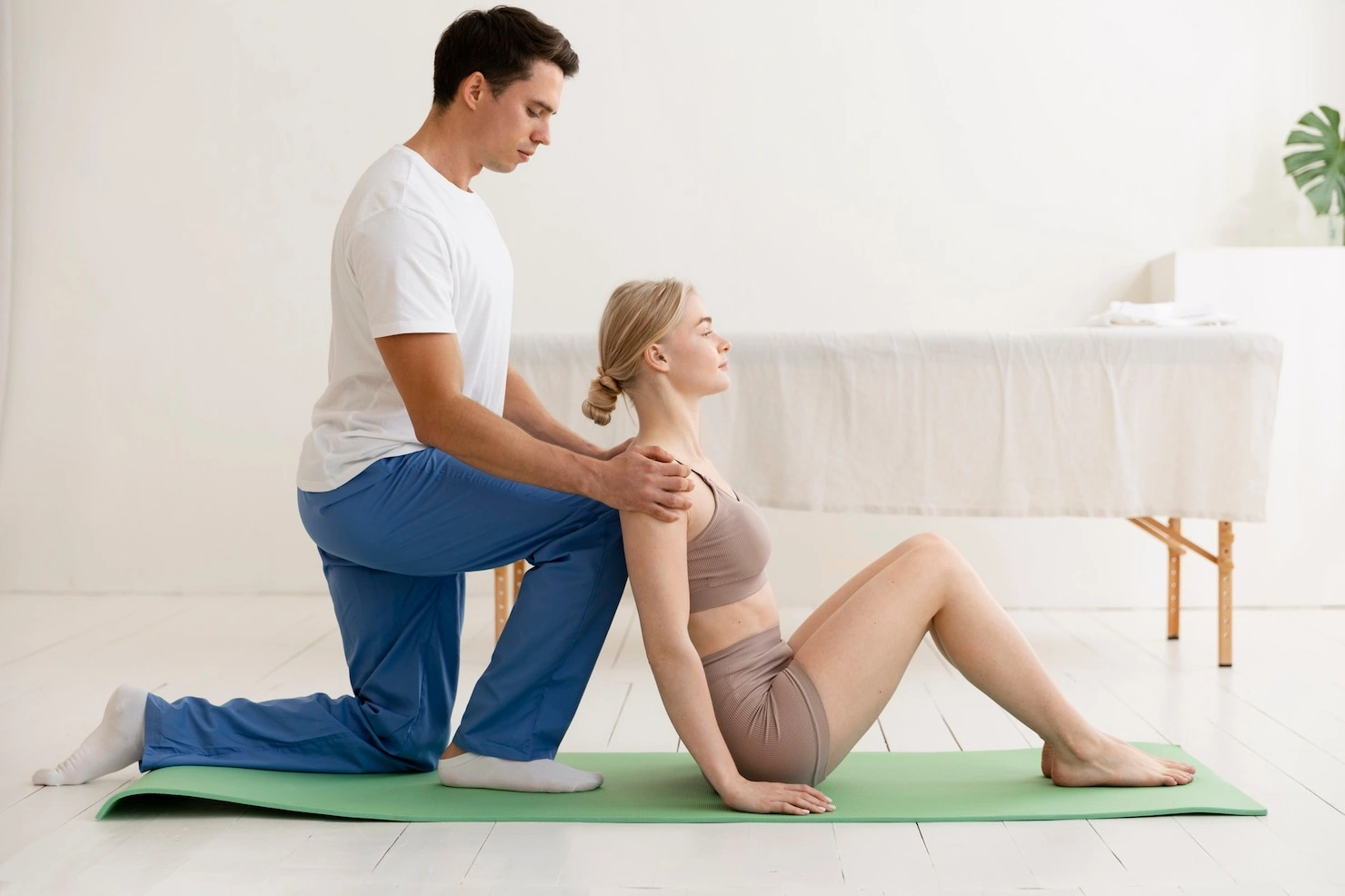
Many patients wonder What is Structural Integration Massage when they first hear the term. The difference usually comes down to purpose. General massage may be used to relax muscles and reduce surface tension, while structural integration is more focused on how tissue tension, posture, and movement patterns are influencing the body as a whole. The goal is to look at alignment and function, not only short term comfort.
That broader focus may help patients who notice:
- recurring tension in the same body regions
- posture that feels harder to maintain
- one side of the body working more than the other
- movement that seems limited or inefficient
- discomfort that returns after activity or long workdays
This is often why structural work appeals to people who feel that isolated relief has not fully changed the pattern.
When Structural Integration Becomes Worth Considering
Not every patient seeks this type of care for pain alone. Some are dealing with persistent body tightness, limited mobility, or movement patterns that feel increasingly inefficient over time. Others notice that they recover poorly from physical demand or that certain areas keep taking more strain than they should. That is often the point where structural integration starts making sense.
It may be worth considering when:
- tension keeps returning in the same places
- posture feels collapsed or uneven
- movement feels restricted despite stretching
- the body seems to compensate around older strain
- daily activity creates more fatigue than it should
For some patients searching for Structural Integration Therapy Near Me, the real goal is not only relief. It is understanding why the body keeps settling into the same pattern.
What Better Structural Work Should Address
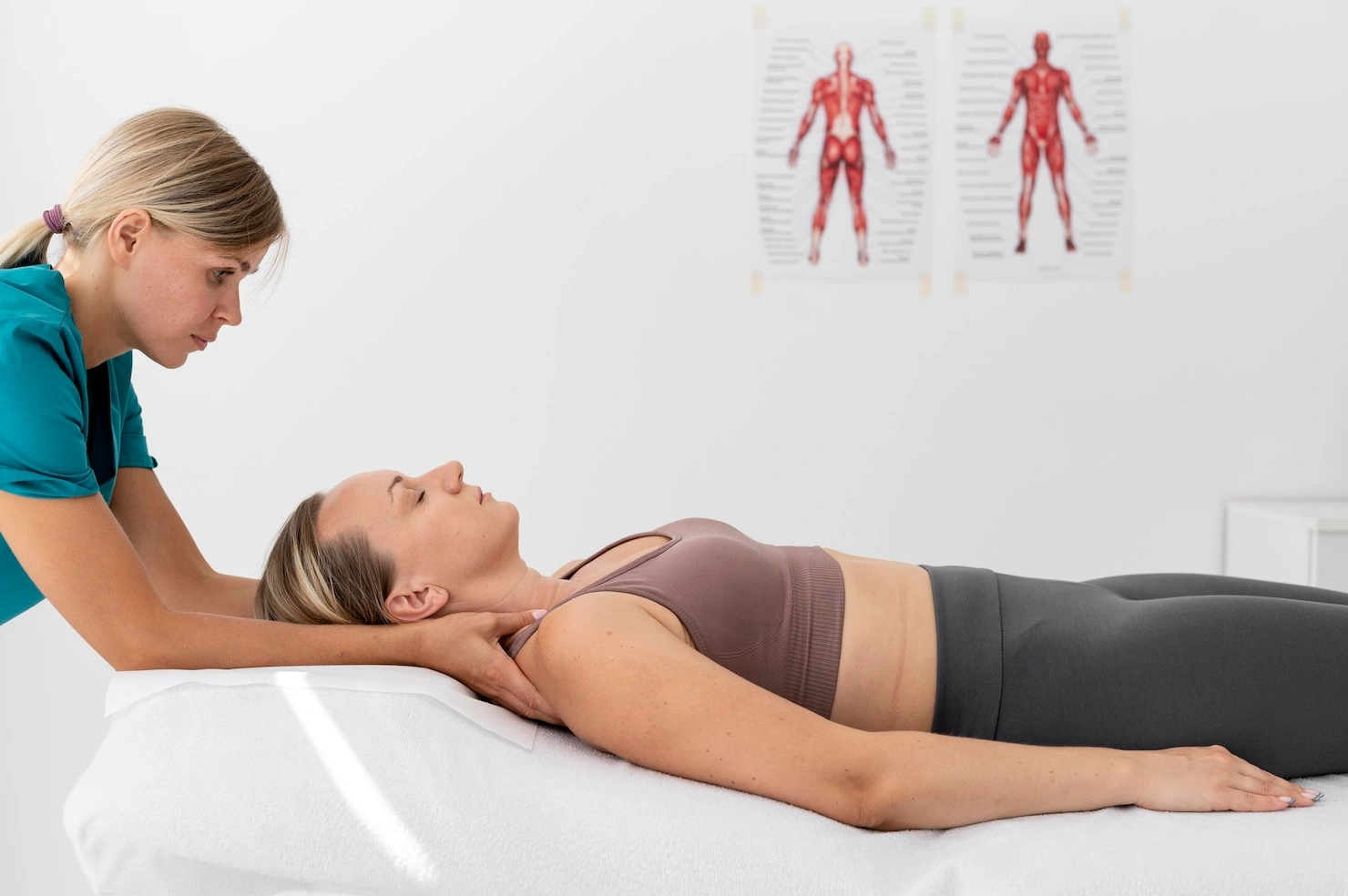
A more useful structural plan should help patients see the connection between the complaint and the larger pattern around it. Neck tension may involve rib position, shoulder mechanics, and upper back restriction. Hip tightness may reflect pelvic control, gait habits, and long standing asymmetry. Low back pulling may be influenced by what is happening above and below it.
That is why better treatment planning often addresses:
- the main regions carrying excess tension
- how those regions affect overall alignment
- what movement habits may be reinforcing the issue
- how progress should be evaluated over time
- whether other services should support the plan
That level of clarity helps patients understand that the work is organized around the body’s pattern, not just today’s discomfort.
Why Alignment and Movement Quality Matter Together
Structural change is rarely meaningful if the body cannot use it well. Better alignment should support better movement, and better movement should help the body hold change more effectively over time. That is why the strongest structural care does not stop at tissue work alone. It also pays attention to how the patient stands, walks, bends, and carries load through daily life.
This is where Structural Integration Benefits often become more noticeable. Patients may report:
- Easier posture with less effort
- Smoother movement through the spine and hips
- Less pulling through overworked areas
- Improved body awareness during daily activity
- Better tolerance for standing, walking, or training
Those changes matter because comfort often improves when the body stops fighting itself so much.
When Structural Integration Supports A Complete Treatment Plan
Some patients benefit most when structural work is part of a wider support strategy. A person dealing with long standing compression, mobility loss, or repeated tension may need more than one kind of care to move forward well. In those cases, structural integration can help prepare the body for better movement while other services support function, strength, or symptom management.
A broader care model may include:
- Structural work for tissue and alignment patterns
- Movement based care to improve control
- Recovery planning for repeated strain
- Guidance from Our Professionals when multiple services are involved
- Related support such as Spinal Decompression in Chicago, IL when spinal pressure and restricted mobility are part of the larger picture
This kind of coordination often makes the overall plan feel more complete and more practical.

Questions? Call Us Today! 312.346.9355
Structural Integration therapy looks at the client as a whole. The connective tissues throughout the body are reorganized through soft tissue manipulation and movement. The approach is to release underlying patterns of stress and impaired function by freeing up the tissues that become “stuck” or fused together as a result of repetitive motions, overuse or injury.
Structural Integration has proven benefits in patients such as easing pain and chronic stress, as well as improving posture and overall movement.
If you are interested in trying the Structural Integration system or simply want to learn more, call our office at (312) 346-9355 or visit our location in Chicago’s West Loop.
Frequently Asked Questions
Structural integration is often used to address posture related tension, movement restriction, recurring tightness, and body patterns that seem to create repeated strain. It is commonly explored by people who want more than temporary relief.
Not exactly. Massage therapy often focuses more on relaxation or localized muscle tension, while structural integration looks more closely at alignment, movement relationships, and how tension patterns affect the body as a whole.
It may be worth exploring if you feel chronically tight, uneven, restricted, or stuck in recurring tension patterns that do not seem to change with basic stretching or occasional bodywork.
It may help support posture by addressing the tension and movement patterns that make upright alignment harder to maintain. It is usually most effective when the work is matched to the body’s actual pattern.
Sessions usually involve assessment of posture and movement along with hands on work directed at the tissue patterns most related to restriction, asymmetry, or repeated strain. The process is generally more pattern focused than a standard relaxation session.


