Back and neck pain often become more frustrating when the problem keeps returning after rest, stretching, or short term relief. Some patients notice pressure that builds with sitting, stiffness that spreads into the shoulders or hips, or symptoms that begin traveling into the arms or legs and make normal movement feel less reliable. Spinal Decompression in Chicago, IL can be an important option when care needs to focus on how the spine is handling load, pressure, and repeated irritation over time. The goal is not simply to quiet discomfort for a few hours. It is to create more space for recovery, reduce mechanical stress around sensitive structures, and support a plan that helps patients move with more control and less aggravation in daily life.
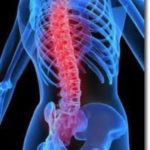 Non-Surgical Spinal Decompression Therapy specifically treats the diseased disc based on anatomical and physiological principles. A vacuum effect reduces the size of disc herniation and takes pressure off of involved nerve roots. Decompression therapy allows nutrients to be exchanged at the level of the disc and inflammation around the nerve root to be dispersed resulting in reduction or elimination of low back pain. Spinal Decompression is used to treat conditions causing low back & leg pain as well as neck & arm pain, all without surgery.
Well researched & documented spinal decompression helps relieve spinal pain and return patients to their desired quality of life by:
- Reducing intradiscal pressure
- Widening the spinal canal foraminal area
- Reducing pressure on spinal nerves
- Returning motion to spinal joints
What Needs to Be Assessed Before Starting Decompression
The first step should explain more than where the pain is located. It should clarify how symptoms behave, what positions make them worse, whether nerve irritation may be involved, and how the spine is responding to load. At West Loop Health & Sports Performance Center, that broader evaluation matters because decompression works best when it is part of a more organized approach within West Loop Health & Sports Center Services.
It should help explain:
- Which symptoms seem most related to spinal compression or irritation
- What movements or positions may need to be modified
- What early improvement may realistically look like
- How progress will be monitored over time
- When other services should be added to improve outcomes
That kind of explanation helps patients feel informed instead of uncertain about why a certain therapy is being recommended.

When Disc Pressure and Nerve Irritation Change Daily Function
Patients do not always describe spinal problems in technical language. They often talk about heaviness, pulling, burning, numbness, or the feeling that certain positions make everything tighten up at once. Those complaints can affect work, sleep, driving, workouts, and normal household activity. When that pattern continues, the issue usually becomes about function as much as pain.
Common reasons patients explore this type of care include:
- Low back pain that worsens with sitting
- Neck pain that spreads into the shoulder or arm
- Leg symptoms linked to prolonged standing or walking
- Stiffness that returns after activity
- Recurring flare ups that limit routine movement
A better plan helps connect these symptoms to what may be happening mechanically rather than treating every episode like a separate event.
How Chiropractic Spinal Decompression in Chicago, IL Fits the Care Plan
Decompression is usually most helpful when it is placed in context. Some patients may benefit from it when disc related pressure, restricted motion, or nerve irritation appears to be contributing to their symptoms. Others may need different priorities first. The value comes from knowing why decompression is being used and how it fits into the larger strategy for recovery.
That larger strategy may include:
- Reducing pressure related irritation
- Improving comfort in positions that currently trigger symptoms
- Restoring more confident movement
- Helping the spine tolerate daily load more effectively
- Combining decompression with other forms of support when needed
For some patients, related services such as Chiropractic Medicine in Chicago, IL may also help support mobility, joint mechanics, and broader spinal function.

Why Short Term Relief Is Not Enough for Recurring Spine Issues
Many people have already tried to manage the problem on their own before seeking structured care. They may rest for a few days, avoid certain movements, stretch more, or rely on temporary relief until symptoms return again. That cycle can continue for months. The trouble is that repeated relief without a broader plan often leaves the same mechanical pattern in place.
A stronger approach should address:
- Why the spine keeps becoming irritated
- How posture or routine may be adding load
- What movement habits are reinforcing the problem
- How recovery can be supported between visits
- What steps may reduce repeated setbacks
That is often the difference between chasing symptoms and actually building a plan the body can respond to more steadily.
When Broader Spine Support Becomes Necessary
Some patients improve best when decompression is only one part of a wider plan. A patient with long standing stiffness may also need movement retraining. Another with age related changes may need guidance that overlaps with Chiropractic Care for Osteoarthritis in Chicago, IL when stiffness, joint stress, and reduced spinal tolerance are part of the overall picture. Broader care becomes important when symptoms involve more than one limiting factor.
That more complete support may include:
- Decompression for pressure related symptoms
- Mobility work to restore easier movement
- Activity guidance during flare ups
- Progression into more stable daily function
- Input from Our Professionals when symptoms need coordinated care
This kind of structure often makes progress feel more practical and easier to follow.

Why Some Spine Conditions Need More Than Waiting It Out
There is usually a point where hoping the issue settles on its own is no longer a strong plan. If pain keeps returning, sitting tolerance keeps shrinking, or symptoms begin interfering with sleep, focus, and normal activity, the spine may need more guided support than simple rest can provide. That is where decompression can become part of a more useful strategy. Chicago Holistic Centers offers a setting where patients can look at persistent spinal symptoms with greater clarity and a more functional plan. If recurring back or neck pain is starting to affect how you move, work, or recover, schedule an evaluation, find out what may be driving the pressure, and choose care designed to help you move with less strain and more confidence.
Frequently Asked Questions
Spinal decompression is often considered for patients dealing with recurring back or neck pain, disc related pressure, nerve irritation, and symptoms that worsen with sitting, bending, or prolonged loading. It is typically used when spinal compression patterns seem to be contributing to daily limitation.
It may be worth discussing if pain keeps returning, symptoms travel into the arms or legs, sitting or standing tolerance has dropped, or ordinary movement keeps aggravating the same spinal region. A proper evaluation helps determine whether decompression fits the case.
No. They are not the same service. Decompression focuses more specifically on reducing pressure and improving space around irritated spinal structures, while chiropractic care may address broader joint motion, spinal mechanics, and movement restriction.
That depends on symptom severity, how long the issue has been present, and how the body responds to treatment. Some patients notice early changes in comfort, while more established problems often require a more structured course of care.
Yes. Many patients benefit when decompression is part of a broader plan that may include movement based care, chiropractic support, recovery guidance, and activity modification depending on the source of symptoms.


