Foot and ankle problems can change much more than the way a person walks. They can affect balance, training tolerance, posture, knee loading, and even the way the hips and low back handle daily movement. Podiatry in Chicago, IL becomes especially valuable when pain, instability, overuse, or recurring stress is starting to interfere with work, exercise, or normal routine. Good podiatric care should not only focus on the painful spot. It should also examine gait, loading patterns, footwear habits, structural stress, and the way compensation is building through the rest of the body. When that assessment is done well, patients get more than a label for the problem. They get a clearer explanation of what is happening, what is making it worse, and what kind of plan can support steadier movement, better comfort, and more reliable function over time.
We Specialize in:
- Warts & other growths
- Fallen arches
- Painful joints
- Ankle sprains
- Sports injuries
- Specializing in runners
- Injuries, fractures, spinal
- Heel pain
What a Foot and Ankle Evaluation Should Clarify First
A good evaluation should explain more than where symptoms are showing up. It should identify whether the problem seems related to mechanics, overuse, instability, footwear, training load, or a longer pattern of compensation. Within West Loop Health & Sports Center Services, that broader view matters because foot and ankle issues often influence movement well beyond the foot itself. At West Loop Health & Sports Performance Center, a more complete first assessment helps patients begin care with clearer direction and a better sense of what needs attention first.
A stronger first visit often looks at:
- Pain location and how symptoms behave through the day
- Walking pattern, balance, and loading changes
- Ankle mobility and foot mechanics
- Footwear habits and training demands
- Whether nearby joints are compensating
This kind of evaluation helps treatment feel more precise from the beginning.
How Foot Problems Start Affecting More Than the Foot
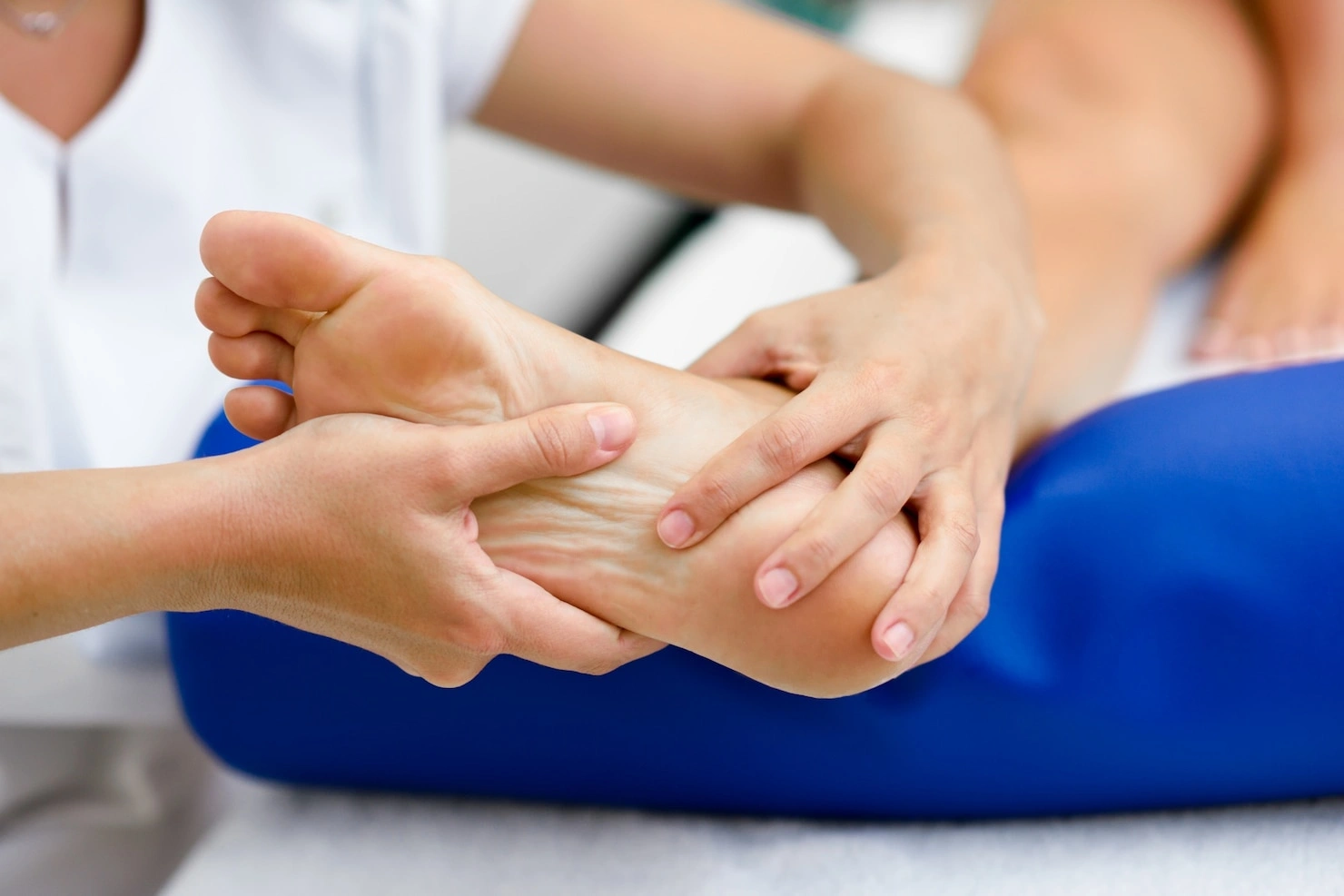
Many patients wait until pain becomes difficult to ignore, but foot and ankle problems often start changing movement earlier than people realize. A painful heel may change stride length. Instability may reduce confidence on stairs. Limited ankle motion can shift more stress into the knee, hip, or low back. That is why podiatric care is often about function as much as discomfort.
Patients commonly seek care for:
- Heel pain during the first steps of the day
- Arch strain or foot fatigue with activity
- Ankle instability or repeated rolling
- Forefoot pain during walking or training
- Discomfort that worsens with standing or long shifts
- Foot mechanics that seem to be affecting the rest of the body
That wider impact is one reason foot problems should be evaluated early rather than simply worked around.
What Patients Should Understand About Treatment Planning
The strongest plans are specific. Patients should understand what seems to be driving symptoms, which daily habits may be worsening the issue, and what the first treatment priorities are. Without that level of clarity, foot and ankle care can feel too general. A better plan connects the diagnosis to walking tolerance, activity level, recovery habits, and the patient’s actual daily demands.
A more useful treatment plan often explains:
- What structure or movement pattern appears most involved
- What activities may need temporary adjustment
- What kind of support or treatment is being recommended
- How progress will be measured over time
- When reassessment should happen
This structure helps patients feel that care is moving toward a goal rather than repeating the same advice.
When Activity Related Foot Stress Needs Closer Attention
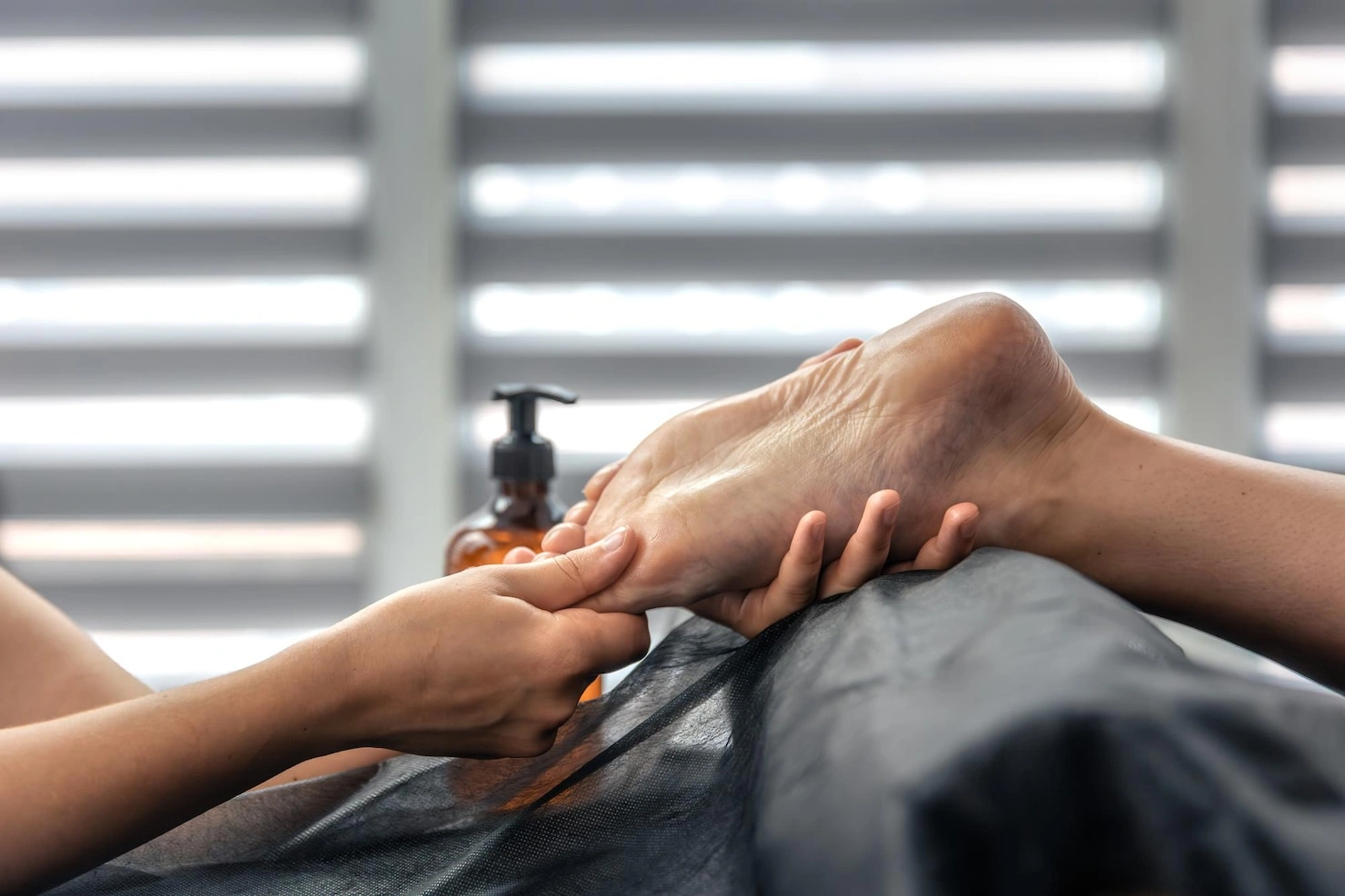
Active patients often place repeated demand on the feet and ankles without realizing how much force these areas absorb every day. Running, court sports, lifting, walking heavy work floors, and even long commutes can build strain gradually. That is where Performance Podiatry in Chicago becomes especially relevant. The goal is not only to calm symptoms, but also to understand how activity, load, and mechanics are interacting.
That may matter when:
- Symptoms rise with training volume
- Foot pain returns after activity instead of during it
- Ankle instability affects confidence in movement
- One side of the body feels consistently overloaded
- Recovery feels slower than it should
A more performance focused view can help patients protect activity without ignoring the problem.
Why Gait, Support, and Alignment All Matter
Foot care is rarely just about the foot itself. The way the foot contacts the ground influences the way force travels upward through the body. Poor support, restricted motion, and uneven loading can all contribute to repeated strain patterns. That is why better podiatric care pays attention to gait, structure, and how movement is being absorbed through the lower body.
Treatment may involve attention to:
- Walking mechanics and pressure distribution
- Arch support and footwear choices
- Ankle range of motion
- Tissue irritation from repeated stress
- Alignment patterns that affect comfort and efficiency
For some patients, related care such as Structural Integration in Chicago, IL may also support the broader effort to improve posture, loading, and body mechanics.

Questions? Call Us Today! 312.346.9355
We offer podiatry services specializing in running injuries, fracture care/emergency, 2nd opinions, workman’s compensation injuries, x-ray and fluoroscopic, imaging on site, accredited surgical center available on site, high tech computer gait analysis and orthotic scanner and with Pediatric and Geriatric care.
Frequently Asked Questions
Podiatry commonly helps with heel pain, arch pain, ankle instability, forefoot discomfort, gait problems, overuse injuries, and foot conditions that affect daily walking, standing, or exercise tolerance.
It is a good idea to schedule an evaluation when foot pain keeps returning, affects walking or standing, limits activity, changes your gait, or does not improve with basic rest and footwear changes.
Yes. Foot mechanics can influence how the rest of the body absorbs force. When walking changes because of pain, stiffness, or instability, the knees, hips, and low back may begin compensating.
Performance podiatry looks more closely at how sports, exercise, training volume, and repeated load affect the feet and ankles. It is especially useful for active patients who want to stay moving while addressing recurring strain.


