Muscle tension rarely develops for only one reason. It can build through repetitive work, hard training, poor recovery, long commutes, stress, old injuries, and the gradual compensation that happens when one part of the body starts moving differently than it should. Massage Therapy in Chicago, IL can play an important role in addressing that pattern by helping patients reduce soft tissue restriction, improve circulation, support mobility, and feel more comfortable during daily activity or exercise. Massage is often most useful when it is not treated as an isolated luxury service but as part of a more thoughtful plan for recovery, performance, and physical well being. When care is matched to the person, massage can support both short term relief and better function over time.
Why Better Massage Care Starts With Better Assessment
The most effective massage plan begins with a clearer understanding of what the body is dealing with. Tightness in the neck may relate to posture, screen time, shoulder mechanics, or stress. Low back tension may reflect lifting habits, hip restriction, or prolonged sitting. That is why a more informed first step matters. Within the broader range of West Loop Health & Sports Center Services, massage works best when it is guided by the body’s actual stress pattern rather than a one size fits all routine.
A stronger evaluation often considers:
- Where tension is building most consistently
- What activities or habits are aggravating it
- Whether recovery has been poor or incomplete
- How mobility, posture, and movement may be contributing
- What type of massage approach fits the goal best
At West Loop Health & Sports Performance Center, this kind of context helps treatment feel more purposeful from the start.

How Massage Supports Recovery, Mobility, and Daily Function
Massage therapy can support more than simple relaxation. It may help reduce muscular guarding, improve soft tissue glide, ease movement related discomfort, and help patients feel more capable during work, workouts, and normal daily activity. For some patients, the goal is to calm a highly stressed body. For others, it is to reduce restriction in areas that are interfering with motion, recovery, or physical performance.
Patients often seek massage for:
- Neck and shoulder tightness
- Upper back tension from desk work
- Low back discomfort linked to sitting or strain
- Hip and leg tightness after exercise
- Muscle soreness that lingers longer than expected
- Stress related tension patterns that keep returning
The value usually comes from matching the session to the body’s actual demand instead of applying the same pressure and sequence to every patient.
When Structural Massage Therapy Makes More Sense
Some patients need more than general relaxation work. They may be dealing with long standing tension, movement restriction, postural imbalance, or a history of repetitive overload that keeps returning to the same areas. In those cases, Structural Massage Therapy may be more appropriate because the session is directed toward deeper mechanical patterns and the tissues most involved in them.
This type of work may be useful when:
- Certain muscles always feel shortened or overworked
- Mobility feels limited in specific regions
- The body is compensating around old strain patterns
- Stiffness is affecting training or posture
- General massage has helped, but not enough
The goal is not simply stronger pressure. The goal is more useful treatment in the areas that are carrying too much tension or not adapting well to demand.
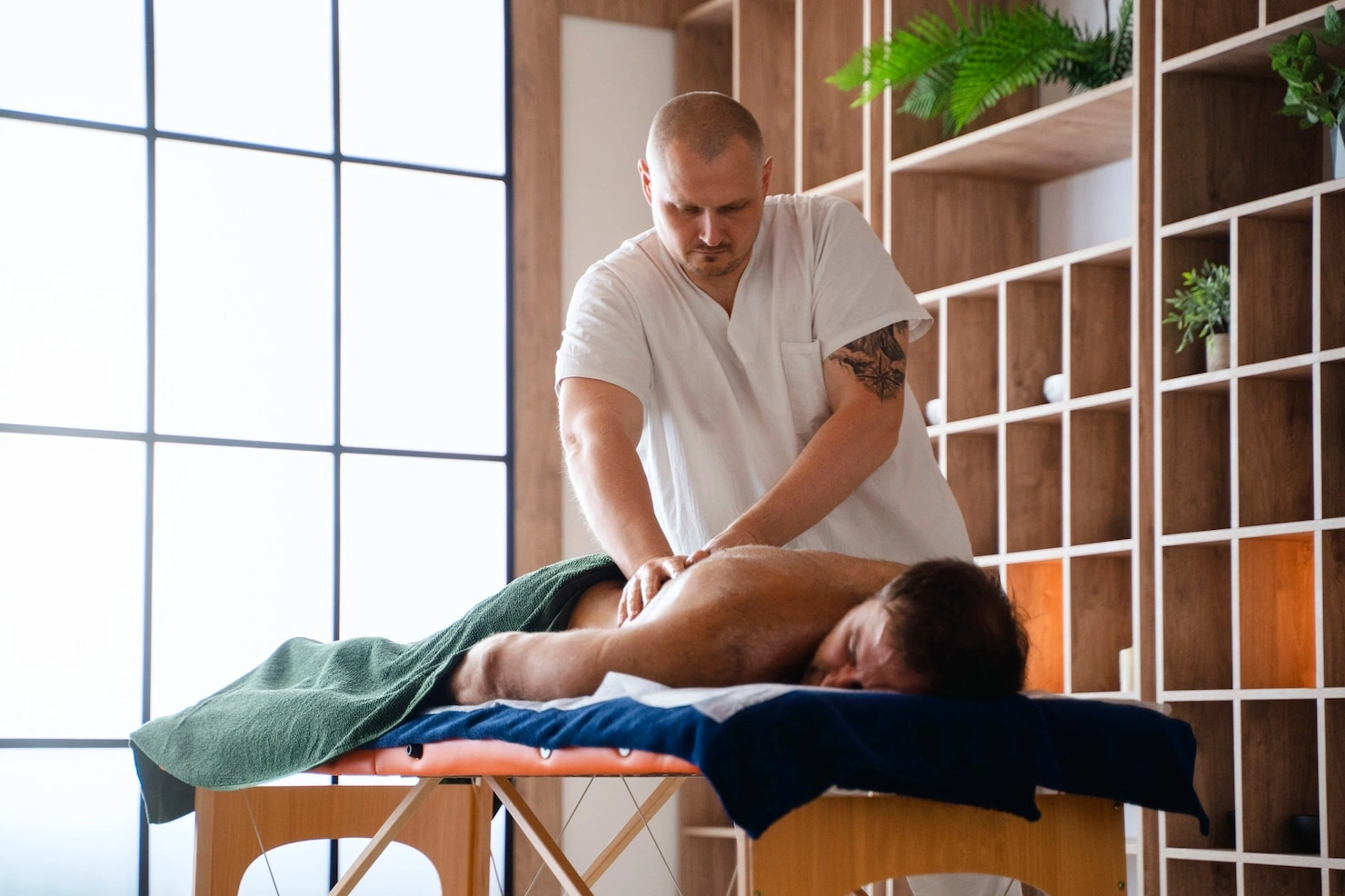
Why Massage Therapy West Loop Patients Often Want More Than Relaxation
In a busy urban setting, many patients are balancing work stress, commuting, limited recovery time, and physical strain from both sedentary and active routines. That makes massage especially valuable when it is used with purpose. People are often looking for help with sleep disruption, recurring muscular tightness, exercise recovery, or the body fatigue that builds when there is not enough time to reset properly.
A more practical massage plan may support:
- Recovery between workouts or long workdays
- Reduced tension from repetitive posture
- Better readiness for movement based care
- Improved tolerance for activity and daily tasks
- A more manageable level of physical stress week to week
For some patients, massage may also complement Naturopathy in Chicago, IL when physical tension and broader wellness concerns overlap in the same care plan.
How Integrative Massage Therapy Fits a Broader Care Model
Massage tends to work best when it supports a larger strategy rather than standing alone. That is where Integrative Massage Therapy becomes especially helpful. It can be used alongside exercise, mobility work, chiropractic care, coaching, or other recovery focused services depending on the patient’s needs. In that setting, massage becomes one part of a coordinated approach to improving how the body feels and functions.
A broader model may include:
- massage to reduce tissue tension
- exercise to improve control and stability
- mobility work to support better movement
- recovery guidance for stress and workload balance
- input from Our Professionals when care needs to be coordinated across services
This kind of planning helps massage contribute to something larger than temporary relief.
What Patients Should Expect From a Better Massage Plan
Good massage care should feel intentional. Patients should understand what area is being prioritized, why certain tissues are being addressed, and what the session is expected to support afterward. Some people may need more recovery focused work. Others may need help reducing specific restrictions before they return to activity. A better plan makes those differences clear.
That usually means clarifying:
- The main complaint being addressed first
- Whether the goal is recovery, mobility, or stress reduction
- How often treatment may be useful
- What should be done between visits
- Whether massage should be paired with other care
This level of clarity helps the patient see massage as part of a real health strategy.
Questions? Call Us Today! 312.346.9355
A massage not only provides relaxation and relief from stress, but is also beneficial for overall health and well-being. Massage therapy improves posture and circulation, lowers blood pressure, relaxes muscles, improves flexibility, relieving respiratory issues and headaches, strengthens the immune system, enhances post-operative rehabilitation and improves rehabilitation after injury.
We offer various types of massage including acupressure, connective tissue, cross fiber friction, deep tissue, Swedish, and hot stone. Our therapists will customize your massage to fit your particular needs. Call us today to see how massage therapy will work for you.
Frequently Asked Questions
Massage therapy is commonly used to help with muscle tension, stress related tightness, soreness after activity, mobility restriction, and discomfort linked to posture or repetitive strain. It may also support circulation and recovery when the body feels physically overloaded.
That depends on your main goal. Some patients need relaxation and stress relief, while others need more focused work for mobility, recovery, or recurring tension patterns. A better assessment helps match the session to what your body actually needs.
Yes. Massage may help reduce lingering muscle tightness, improve comfort after intense activity, and support recovery between training sessions. It is often most useful when combined with hydration, sleep, and smart exercise progression.
No. While relaxation is one benefit, massage can also be used to address soft tissue restriction, support movement, improve recovery, and reduce the physical stress that builds through daily activity, work posture, or repetitive strain.
That depends on your symptoms, workload, activity level, and treatment goals. Some patients benefit from occasional sessions for maintenance, while others may do better with a more structured schedule during periods of pain, high stress, or heavier physical demand.


